Showing posts with label natural history. Show all posts

Monday, November 20, 2006

Monday photo miscellany

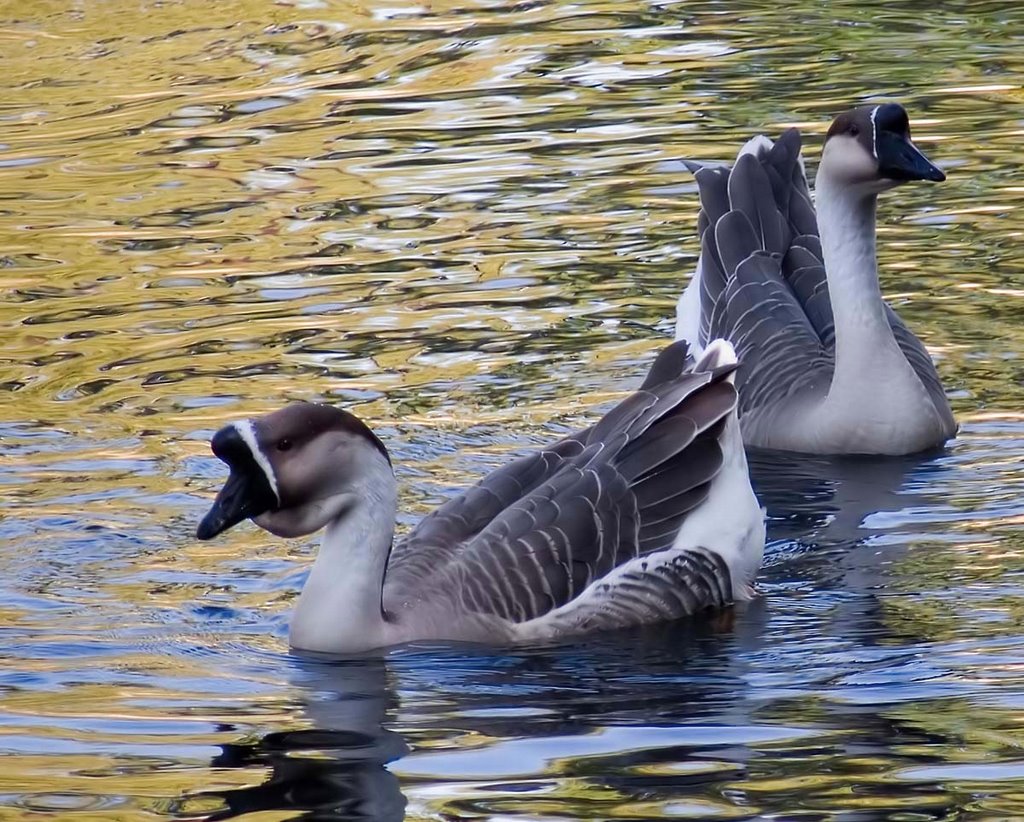
These are escaped domestic Chinese geese, Anser cygnoides, on Austin's Town Lake. Chinese geese are descended from the wild swan goose of Central Asia, which is not a swan+goose hybrid, but rather gets its name from the head, which resembles that of a swan.


We still have a few straggling flowers in Austin. We have not yet had a killing frost, but we will soon. This is some kind of small aster, blown up larger than life size.


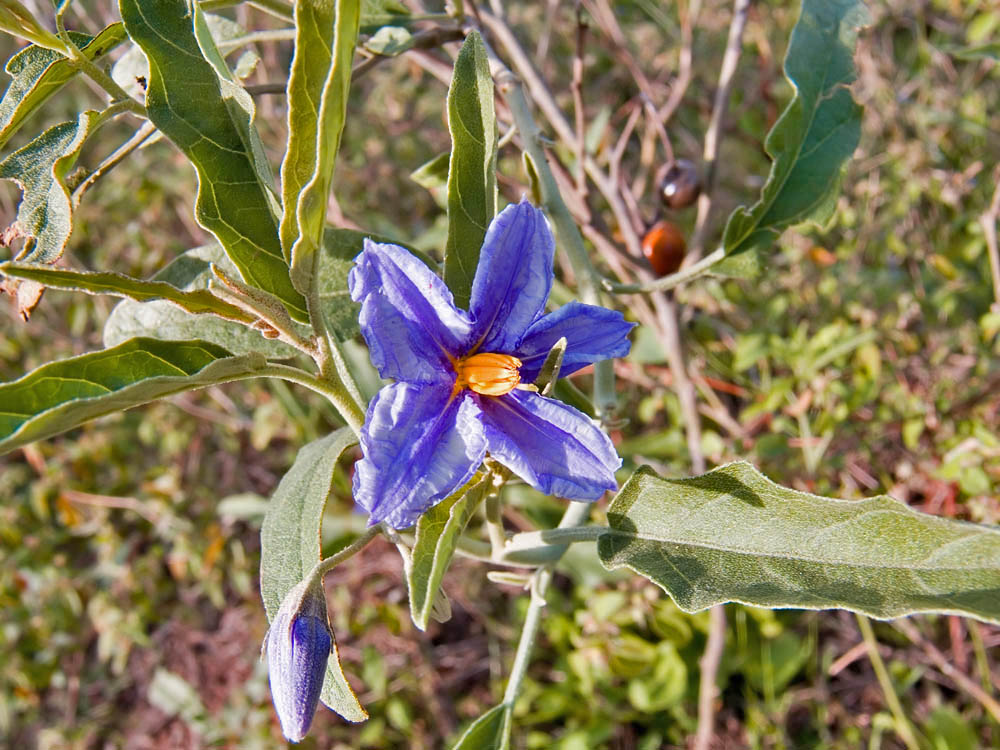
A nightshade species.


A robin near Onion Creek.


Another robin, a few feet away from the first. The robins are back in large numbers now.


(Click any photo for a larger view.)

Note: No more posts here till after Thanksgiving.

Saturday, November 11, 2006

Saturday random juxtapositions

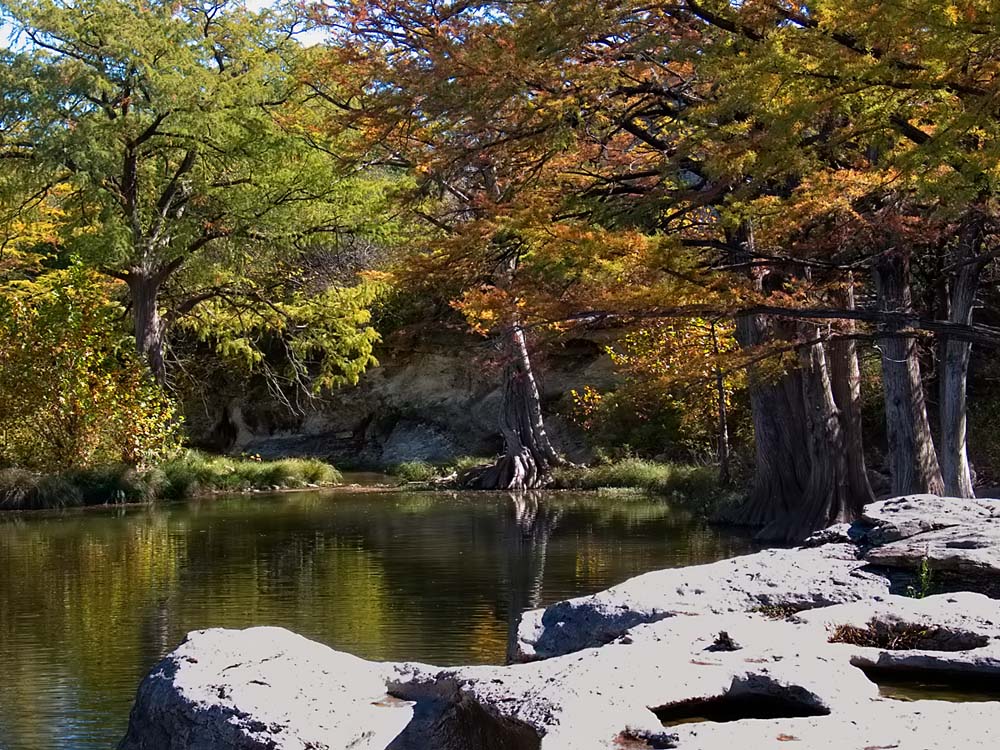
Onion Creek Baldcypress trees. This is at the upper McKinney Falls. Some years the cypress trees provide a bit of fall color.


A ruby-crowned kinglet also near Onion Creek


Roseate skimmer, Orthemis ferruginea. These are very handsome dragonflies. I took the photo several days ago, in Zilker Park.


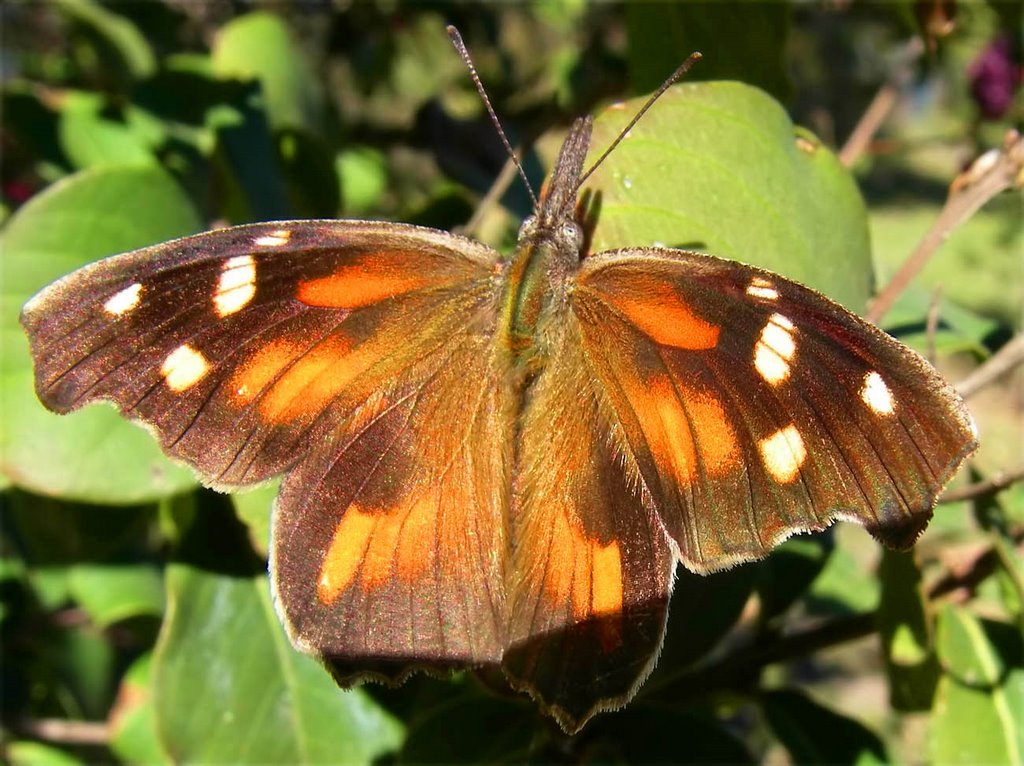
Yet another American snout butterfly, Libytheana carinenta. They are amazingly abundant around Austin this fall. No one knows why, really. This one has obligingly, and uncharacteristically, opened its wings. Generally they keep their wings folded and look like dead gray leaves.


Click any photo to enlarge

Monday, November 06, 2006

Monday at Zilker Park

Here is a miscellany of photos I took in Zilker today, first below Barton Springs, and then in Zilker Gardens.

These gadwalls and the snowy egret were sharing a rock in the middle of Barton Creek below the dam.


Another pair of gadwalls resting on a flat rock by the bank.


Fox squirrel by the creek


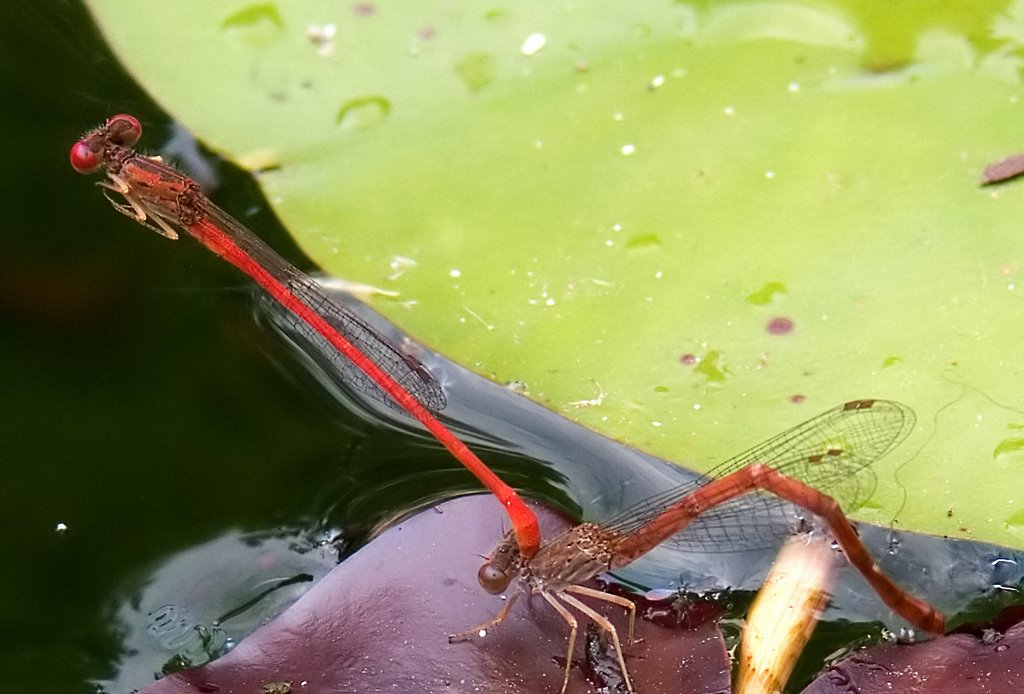
Here are two desert firetails (Telebasis salva) on a lily pad in Zilker Gardens. They have just mated, and the female is now in the process of laying eggs. The male is still attached to her head. Odonate sex, like all sex, looks strange. The male attaches behind the female's head, then the female reaches up with the end of her abdomen to fertilize her eggs at the male genitalia. Then she can lay the eggs, which is what's going on here. With some odonates, like these desert firetails, the male remains attached to the female's head while the egg-laying is going on. I am not sure why.


This is another great spreadwing, Archilestes grandis. Zilker Gardens is the only place I seem to find them.


Click any photo to enlarge

Tuesday, October 24, 2006

Tuesday photo miscellany

Today I am afraid I will disappoint those visitors who come to this blog hoping for political diatribes, startling anecdotes, unfair and unbalanced philosophical viewpoints, or simply gossip. Maybe later.

As is usual lately, I've been out taking photographs. Unlike political blogging, nature photography works to keep the cortisol situation outside the danger zone. Here is a photo miscellany from the past few days.

Western ribbon snake, Thamnophis proximus. This species is highly variable. Our central Texas variety usually has a red stripe down the back, as this one does.


Fiery skipper, Hylephila phyleus, on a Palafoxia flower.


Black vulture landing at a vulture roost in the middle of Landa Park in New Braunfels, Texas. The roost is on an island in a small lake fed by Comal Springs, the largest natural spring in the state. It's quite a beautiful setting for a vulture roost. Cormorants and red-tail hawks also like it.


Turkey vulture overhead near Onion Creek


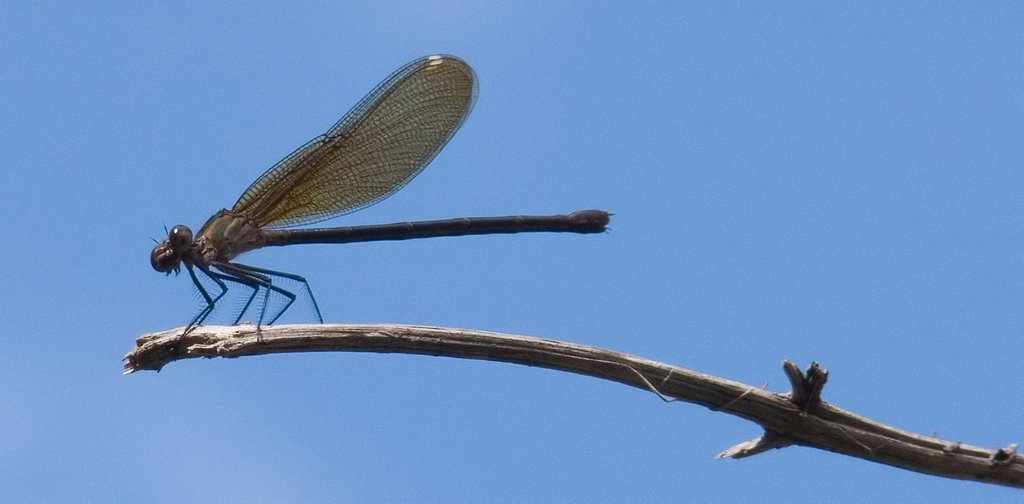
The damselfly that I mentioned in an earlier post, that I could not identify. I am reasonably certain it is a smoky rubyspot, Hetaerina titia. This species is also highly variable in appearance. I took a photo of one in Belize that was much darker.


Click any photo to enlarge
Wednesday, July 26, 2006

Random recent nature photos

As Texas became drier at the end of the last glaciation, we were left with some isolated wetland plants in unlikely places. We have a few surviving pockets of dwarf palm (Sabal minor) here in central Texas. These palmettos (from the Spanish palmito, little palm) are more typical of Florida and Louisiana than Texas. Here is a deer in the palmettos.


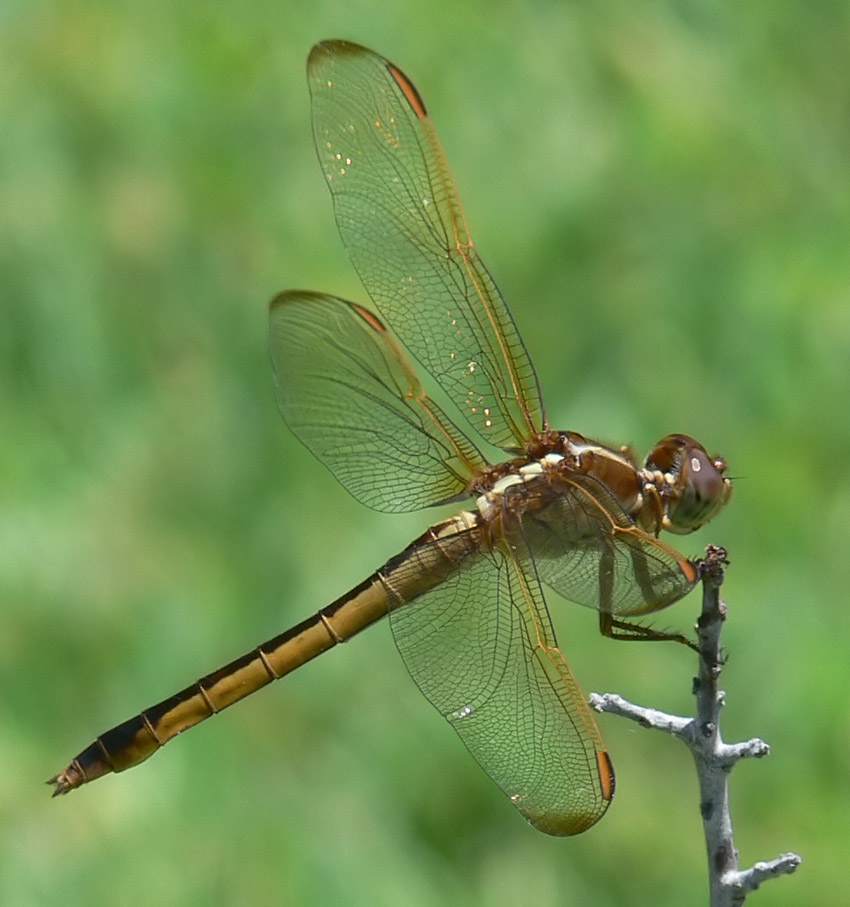
Here is a Needham's skimmer, photo taken at Port Aransas.


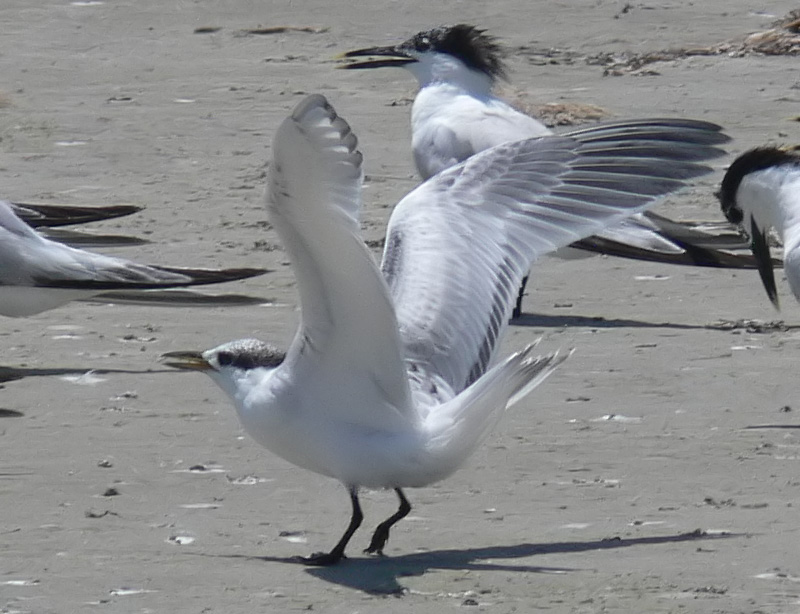
Sandwich terns at Port Aransas.


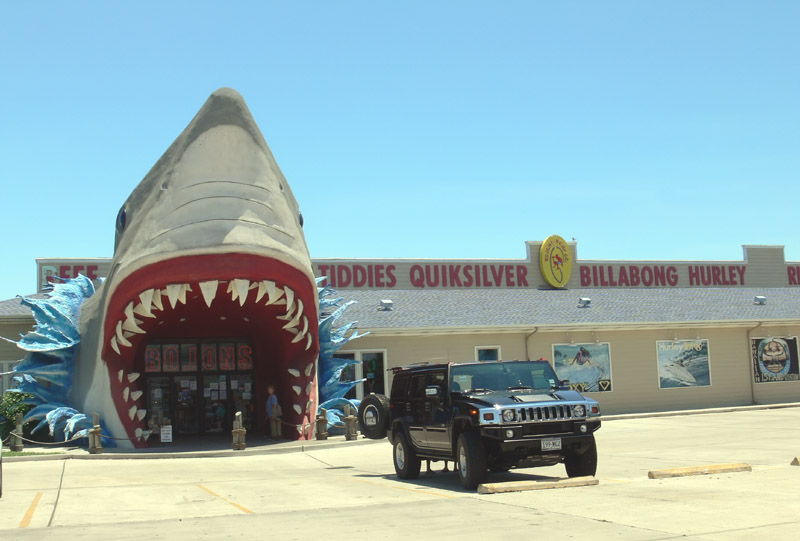
And here is the Texas great white shark, closing in on its prey, also at Port Aransas.


(click photos for larger view)

Friday, July 21, 2006

Birds and alligators at Port Aransas

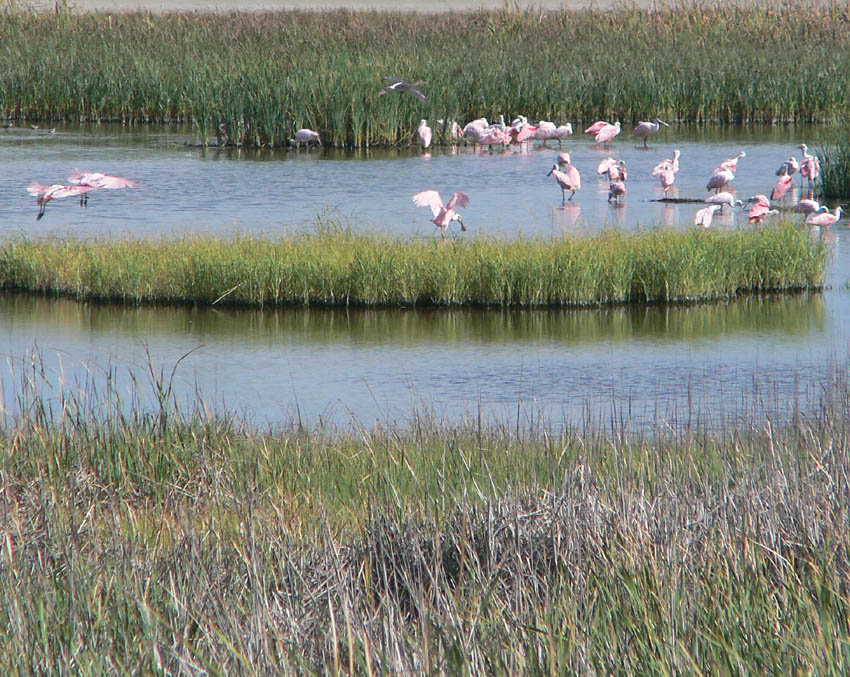
Once again I have failed to bring back any good close-up photos of the roseate spoonbills on the Texas coast. The picture below was taken about 300 yards out, and cropped and blown up. But it gives you a feel for how they look in the distance.


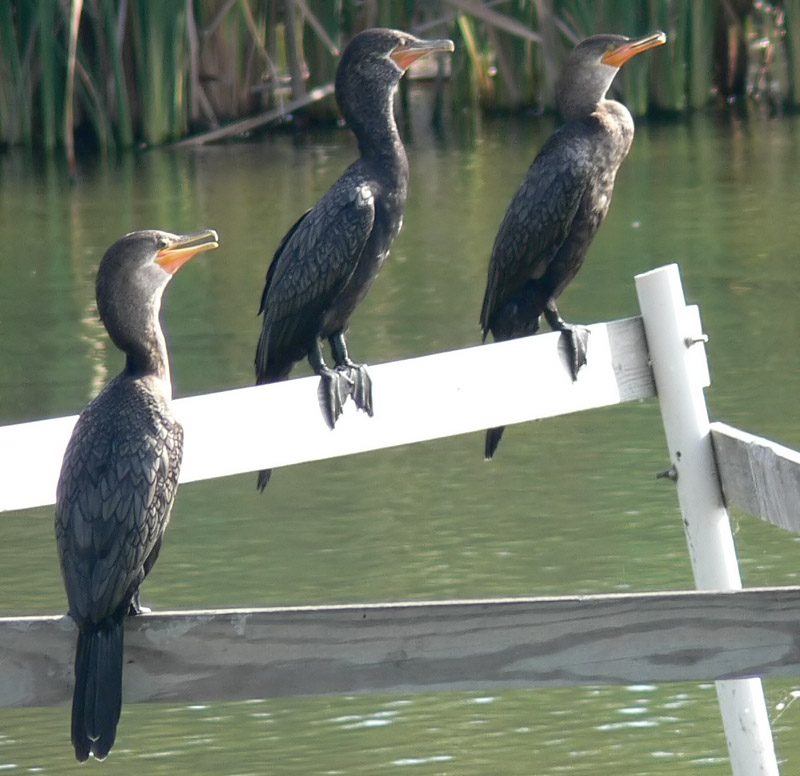
The cormorants were closer at hand, all engaged in active gular flutter in the heat. It looks like panting, but is actually a rapid forcing of air in and out of the mouth, so as to flutter the cheeks, or the bird equivalent of cheeks. The _Online Birds of North America_ says that it cools adult cormorants effectively, though young birds have to stay in the shade or die. I would have tried to use the video function of the camera to capture the fluttering movement, but I was hoarding camera memory for a multi-day trip. So at best you might detect a slight throat blur in the still photo.


Shortly after I took the previous photos, a large alligator, about 9 or 10 feet long, came swimming--very slowly, as alligators do--out of the marsh up to the place where I was standing with several other birdwatchers, a bird observation walkway that extends out into the cattails. The alligator gazed at us with interest, but we were out of reach. Alligators have large eyes. I had for some reason assumed they did not see well, but obviously they do. Here's a close-up of an alligator eye looking at the photographer.


Finally, here's a willet on the beach.


(click photos to enlarge)


Addendum: In response to a comment, here is an additional photo to clarify which way the alligator above is facing.